


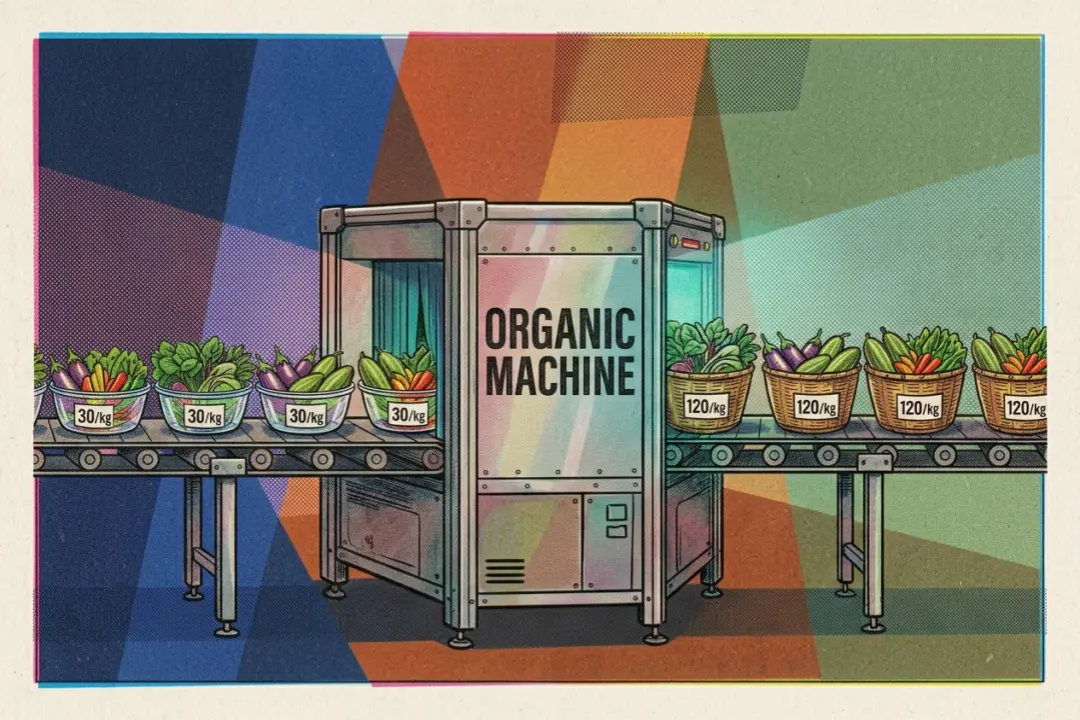
Does your expensive organic label hide a scientific void?
Many farmers follow routine advice like using cow dung. They lack local labs to test their soil. They do not know the actual nutrient levels. Without science, organic is just a guess. This makes the high price look like a gamble for the buyer.
Are we paying a premium for lower productivity?
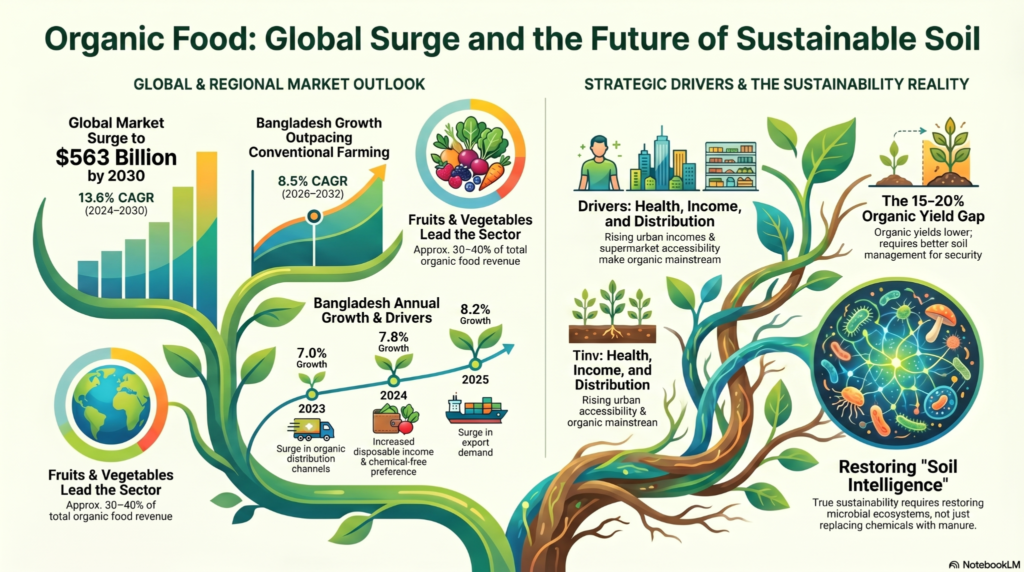
Organic yields are often 15% to 20% lower than conventional ones. This is a major business risk. Lower yields mean we need more land to grow the same amount of food. This could force us to cut down forests. Higher prices pay for less food on more land.
Is ‘natural’ just a way to cut costs and risk your harvest?
Natural farming cuts external inputs to save money. The theory sounds good for the bottom line. However, the evidence for high yields is limited. For small farmers, this uncertainty is a serious economic danger. One bad season can ruin a business.
Will going organic force us to clear more forests?
Sustainable farming must balance nature with food security. If organic farms produce less, they must expand. This puts huge pressure on natural ecosystems. The green choice might actually increase the environmental footprint of the food industry.
The Business Case: Pros, Cons, and the Bottom Line
The Pros for the Earth and Us Organic systems have higher soil organic carbon. They show greater microbial activity. This strengthens the natural nutrient cycle. These farms host more birds, insects, and soil organisms. They avoid synthetic pesticides. This helps with pollination and natural pest control. Consumers hope for better nutrition and higher antioxidants.
The Cons and Economic Risks The biggest con is the yield gap. Production is often much lower. Organic crops are very sensitive to weather and pests. This makes the supply chain unstable. Many farmers simply swap chemical inputs for organic ones. This does not fix the soil. It just changes the brand of the input.
The global organic food market was valued at $224.71 billion in 2025. It is projected to reach $673.31 billion by 2034. In Bangladesh, the market is growing at a rate of 8.5% annually. Fruits and vegetables dominate the global market share at over 40%.
Hype or Gimmick? It is not a total gimmick, but the hype is often misleading. The intelligence of the soil is what matters most. Simply buying organic compost does not guarantee a good crop. True sustainability comes from understanding the soil ecosystem. Without this, the organic label is just a simplified prescription for a complex problem.
Whenever a label says “organic”, the price jumps by 30% to 50%. You are paying for the idea of a pesticide-free life. But in a market where real certification is rare, are you buying a better tomato or just a more expensive sticker?
Organic farming sounds like a dream, but it produces much less than modern farming. It is a luxury method in a world that needs to feed billions. We must ask one question, can organic actually scale or is it just a high-end niche for the elite?
– Opinion | Daily ScrollDown