


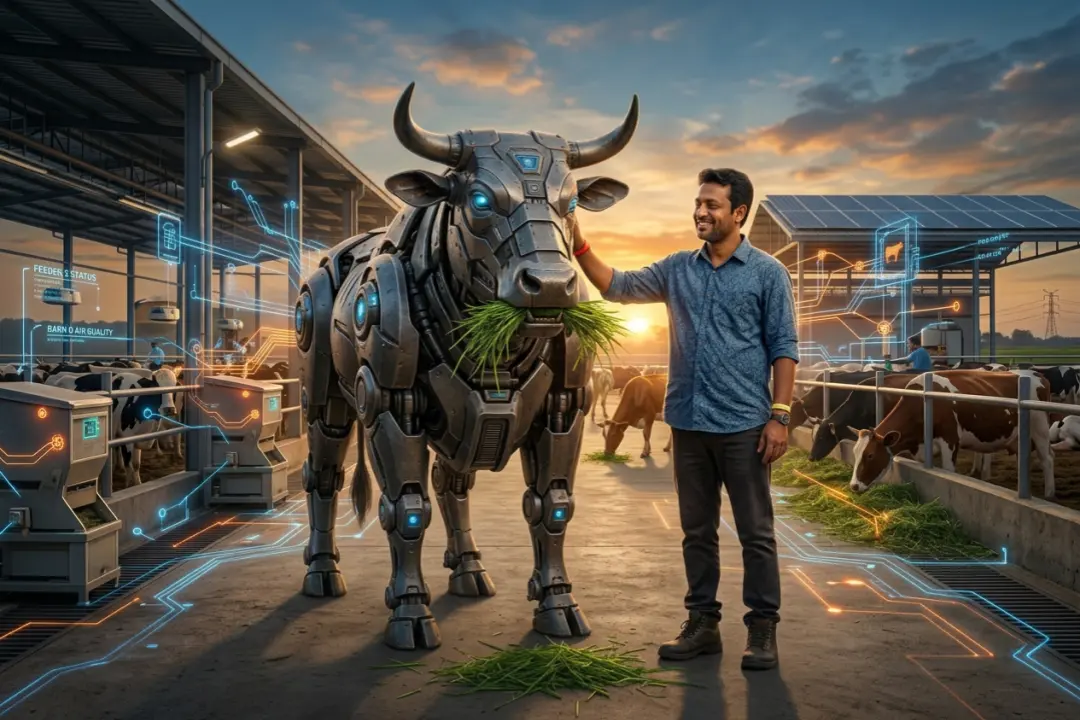
The Old Gods and the New Supply Chain
Ever dreamed of starting a farming business? Have you thought of leaving everything behind? If yes, you are not alone. There are so many men and women just like you.
But have you ever thought why our agribusiness industry is so backdated? Or is it just us? Maybe we do not know the real current scenario of this industry. Let’s dive into this.
You have seen videos online. Countries like China are using high-tech drones. They use other modern systems for farming. The interesting thing is that our country is also focused on modernizing this industry. Now it is shifting. It is moving from the typical agribusiness industry to the agritech industry.
Before the pandemic hit, farming was pretty much what you think it was. The supply chain was full of middlemen. Farmers were often in debt. Many were not getting fair prices for their produce.
In fact, horticulture farmers in Bangladesh receive less than 20% of the final consumer price on average. Traders and intermediaries capture a large share of the value. On top of that, vegetables often change hands 6–8 times before reaching city consumers. This causes food to rot. It makes prices spike.
But a shift began during COVID. It started especially with the rise of agritech.
The Rise of the Cattle Lords
Businesses grow when people’s purchasing power grows. More people in Bangladesh are achieving greater financial stability. Consequently, more families are becoming eligible for Qurbani.
One of the places where this changing spending power became visible was the Qurbani cattle market. That is why you have probably noticed a growing demand for premium cattle. This happens during recent Eid-ul-Adha seasons.
Traditionally, buying a sacrificial animal meant visiting the local gorur haat. It was part of the experience. But when COVID hit, health concerns made many people hesitant to visit crowded markets. That is when agro firms started getting serious attention from consumers. One of the biggest names during that period was Sadeq Agro.
Sadeq Agro became the poster boy of the agro industry. It became a household name through strong branding. It used social media virality. However, the company later faced backlash. This was over its controversial, high-priced goat sales. Eventually, it lost much of its momentum.
The Battle of the Startups
Now, you might think the agritech shift is just another hype cycle. You might compare it to crypto. But that was not the case. Some companies were chasing attention. Meanwhile, others were quietly solving real problems.
Take iFarmer, for example. Many agro firms were chasing viral fame in Dhaka. iFarmer was quietly fixing the broken backend of rural Bangladesh.
The startup recognized two major barriers faced by smallholder farmers. These farmers live in places like Bogura and Natore. They lack capital to buy seeds, feed, and other inputs. They also have little to no direct access to markets.
Instead of focusing on visibility, iFarmer focused on building systems. These systems improve farmers’ access to finance. They connect farmers more directly with buyers.
Let’s name another one. It is Agroshift. They identified a serious problem. Very few people were paying attention to it.
Bangladesh is the second-largest garment exporter in the world. It has over 4 million RMG workers. These workers struggle daily to buy fresh, affordable groceries. Why not sell directly to them?
Agroshift cut down the number of middlemen. These are the middlemen involved in getting food from farms to consumers. Agroshift sources fresh produce directly from rural farmers. They deliver it straight to digital kiosks inside RMG factories. Workers can conveniently place orders there.
The result is clear. Garment workers get fresh food at lower prices. They get a 15% discount. Farmers make repeated sales to a massive buyer.
The Winter of Food Poverty
See, Bangladesh does not have high-tech drones. It lacks other highly efficient modern systems for agriculture at scale yet. Most of the funding in agritech is focused on two things. First, it reduces the number of middlemen. This takes up 51% of the funding. Second, it improves farmers’ access to finance. This takes up 40% of the funding.
The first goal is done by building apps and logistics networks. These connect farmers more directly with buyers. Those buyers can be end consumers like you and me. They can also be grocery shops and other businesses.
The second goal comes in the form of digital loans. It includes crop insurance and mobile-based financial services. These help farmers buy seeds and fertilizers. They can do this without falling into debt traps.
The industry is becoming more efficient. However, efficiency alone does not guarantee affordability. Roughly 66% of the general population in Bangladesh cannot afford a proper, healthy diet. Also, 2 in 3 children under the age of five in Bangladesh suffer from child food poverty.
Funding, technology, and supply-chain innovation increase profits for platform owners. But nutrition remains inaccessible for millions. If this continues, the agritech revolution will have solved the wrong problem.
So here is a question….
Who will ultimately benefit from all these shifts, innovations, and investments? Will it be the business owners? Or will it be the end consumers? Many of them still struggle to meet even the minimum protein requirements.
Reference:
01. Farmers in Bangladesh receive less than 20% of the final consumer price on average.
02. Most of the funding in agritech is focused on two things.