


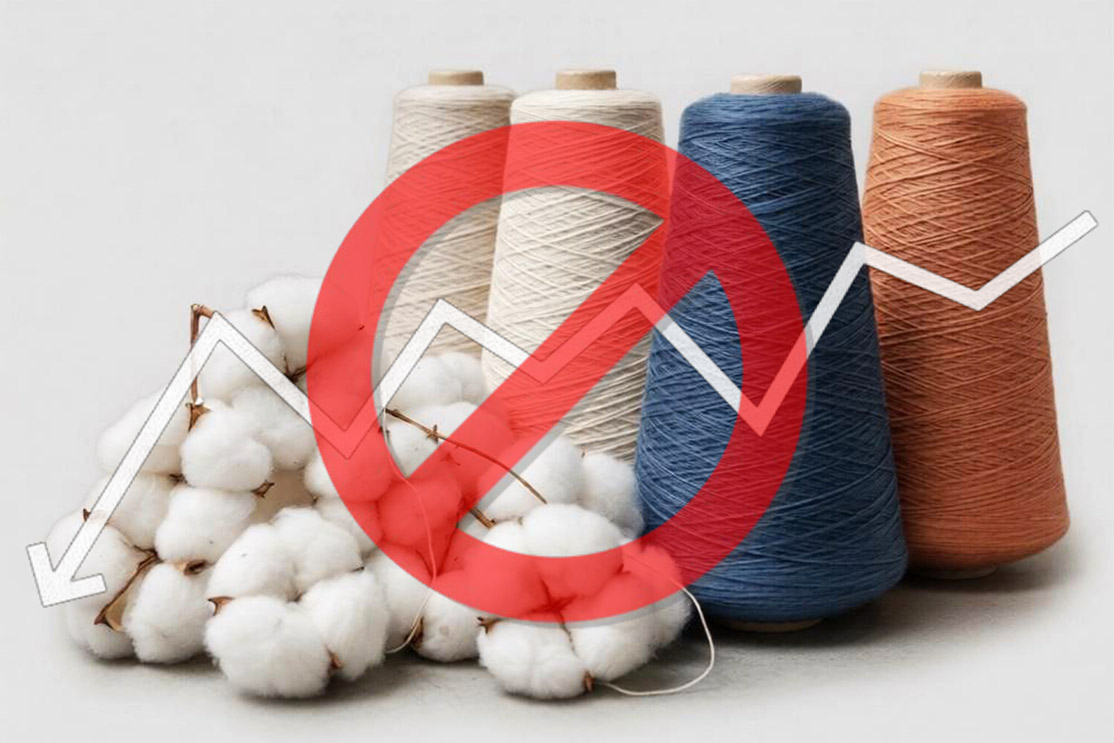
Yarn import taxes protect local mills. They could cause a $2.4 billion cost shock and threaten 400,000 jobs.
The ready made garment (RMG) sector is the backbone of the economy. It earns about 85% of the country’s total export revenue. This is a massive $40 billion industry. Within this sector, knitwear alone makes up around 54% of all garment exports. The industry is vital for bringing in foreign exchange. It also supports millions of livelihoods across the nation.
From importing raw materials to exporting final products
The process begins with importing essential raw materials. Bangladesh gets nearly 95% of its sustainable and organic cotton from India. About 90% of all imported yarn also comes from India. This yarn is then used by local mills for knitting, dyeing, and finishing.
Many other sectors make a profit from this cycle. Transportation and packaging companies get a lot of business. Logistics and other support services also grow because of RMG activities. Finally, the finished clothes are exported to major global markets. These include the United States, the European Union, the United Kingdom, and Japan.
Govt policy on Indian yarn and the reaction of RMG owners
The Yunus government had proposed ending duty-free imports for certain types of yarn. This move aims to protect local spinning mills from cheap imports. RMG business owners strongly oppose this decision. They say Indian yarn is necessary for specific quality grades and counts.
India produces about 51% of the world’s organic cotton. Global buyers specifically demand this certified material. Local mills do not yet produce enough of these specialized yarns. RMG leaders warn that new tariffs could raise production costs by $2.4 billion. They fear this will make Bangladesh lose orders to competing countries.
How RMG is influential for women’s job creation
The RMG sector is a major source of employment. It employs more than 4 million workers. The vast majority of these workers are women. This sector’s labor force is five times larger than the textile sector. It provides women with steady income and economic independence. However, experts warn that cost shocks could put 0.4 million of these jobs at risk.
The business cycle and bank loan repayments
RMG owners and textile millers invest billions of dollars into their businesses. They often rely on bank loans to run factories and pay salaries. This creates a tight financial cycle. If production costs rise, factory profit margins disappear.
If buyers move their orders to other countries, factories lose their income. Without these orders, owners cannot pay back their bank debts. This could lead to factory closures and financial instability for the whole sector.
The future of the RMG sector under the new government
The future of the sector depends on careful policy changes. The industry has asked for a 10-year roadmap for any transitions. This would give local mills time to upgrade their technology.
Bangladesh also needs to prepare for “graduation” from its current trade status. To keep getting tax benefits in the EU, the country must use more local materials. The government must find a way to support local mills without hurting export growth. A balanced approach is needed to keep the industry competitive in the global market.
How the 10-year roadmap helps the spinning sector
- Improving Technology: The roadmap helps local mills upgrade their machines. This makes production faster and better. Modern technology leads to higher productivity.
- Better Energy Supply: The plan focuses on steady gas and power. These services would be sold at fair prices. This keeps factory costs under control.
- Low-Cost Loans: The roadmap offers long-term financing. These loans have low interest rates. This money helps mills modernize their facilities.
- New Types of Yarn: The plan encourages making specialized yarn. It focuses on high-value products. This helps mills meet the specific needs of global buyers.
- Slow Policy Shifts: Rules for importing yarn would change slowly. These changes depend on how well exports perform. This gives mills time to adapt without sudden shocks.
- Higher Efficiency: The goal is to make local mills more efficient. They can then compete with foreign companies. This helps protect the country’s spot in the global market.