


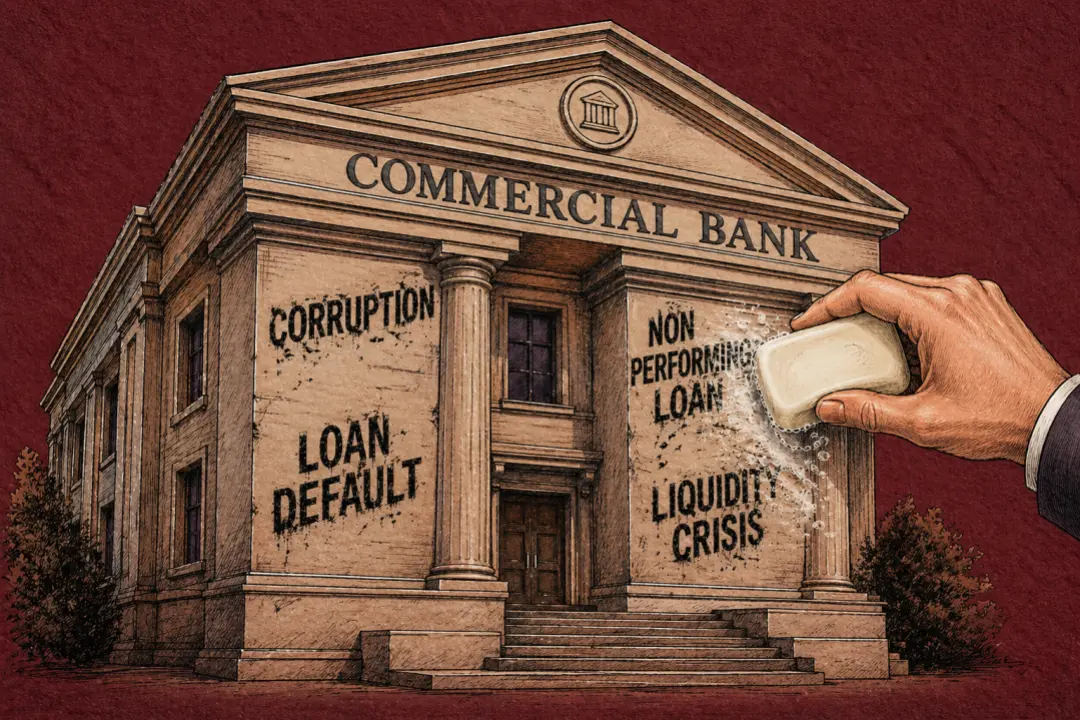
The Asset Isolation Strategy: KAMCO vs. The Asset Management Crisis
When South Korea’s banks were suffocating under toxic, unpaid loans, the government did not rely on standard bankruptcy courts. It created the Korea Asset Management Corporation (KAMCO), a centralized sovereign bad bank.
How it worked: KAMCO aggressively bought bad loans from commercial banks at a steep discount, immediately cleansing the banks’ balance sheets so they could function again. KAMCO then used international asset managers to sell, securitize, or liquidate the collateral (land, factories, buildings) to recover the cash.
The Lesson for Bangladesh: Bangladesh must pivot away from decentralized loan restructuring. Instead of letting weak banks slowly drown, a centralized, legally insulated Bangladesh Asset Management Corporation (BAMC) should be formed to buy out toxic loans, strip bad borrowers of their corporate assets, and sell them off to recover public wealth.
Eliminating Moral Hazard (The Anti-Looter Clause)
The gold standard of South Korea’s financial restructuring was the absolute enforcement of accountability. If a bank failed due to reckless or insider lending, the management and owners were permanently removed.
How it worked: South Korea strictly forbade the original owners or fraudulent directors of a resolved bank from buying it back or participating in its restructuring.
The Lesson for Bangladesh: This is a vital correction for Bangladesh’s framework. The highly controversial Section 18(Ka) of the Bank Resolution Act 2026 which enables former owners to reclaim collapsed banks (such as those previously linked to the S Alam or Nassa groups) by paying a meager 7.5% upfront must be completely repealed. Bangladesh should adopt South Korea’s strict Fit and Proper prohibition, ensuring that any individual or group tied to an institution’s insolvency is barred from banking ownership for life.
Consolidation and The Bridge Bank Framework
South Korea recognized that it had too many weak commercial banks chasing the same capital pool. It forced aggressive consolidation.
How it worked: The government established a clear operational threshold. Banks that failed stringent Asset Quality Reviews (AQRs) were stripped of their licenses. The viable parts of those banks (innocent depositors’ accounts) were transferred to a temporary, state-run Bridge Bank, while the toxic parts were sent to liquidation.
The Lesson for Bangladesh: Bangladesh operates 61 scheduled commercial banks, an excessively fragmented landscape for its economic size. Bangladesh Bank should fully utilize its current Prompt Corrective Action (PCA) framework and bridge bank ordinances to force weak, non-compliant banks into mandatory mergers or closures, protecting ordinary depositors while dissolving the shell entities.
Splitting Monetary Policy from Supervision (The Twin-Peaks Model)
Before 1997, South Korea’s central bank suffered from political interference and a dual mandate that blurred the lines between managing inflation and regulating powerful bank owners.
How it worked: South Korea stripped the central bank of its day-to-day banking supervision duties and created a completely independent, autonomous super-regulator: the Financial Supervisory Service (FSS). This insulated bank examiners from political pressures.
The Lesson for Bangladesh: Economic researchers note that Bangladesh Bank is frequently burdened by conflicting duties and regulatory capture. By creating an independent Financial Prudential Regulatory Authority, Bangladesh Bank could focus strictly on monetary policy and fighting inflation, while the new independent body could aggressively penalize financial crimes and willful default without political interference.
References:
01. https://www.adb.org/publications/twenty-years-after-financial-crisis-korea
02. https://www.thedailystar.net/news/bangladesh/news/bank-resolution-law-risks-facilitating-corruption-rehabilitating-looters-tib-4150861
03. https://www.tbsnews.net/features/panorama/banking-sector-reform-case-consolidation-and-structural-change-1436606
04. https://www.thedailystar.net/business/news/inside-3-year-plan-fix-banks-3933256