


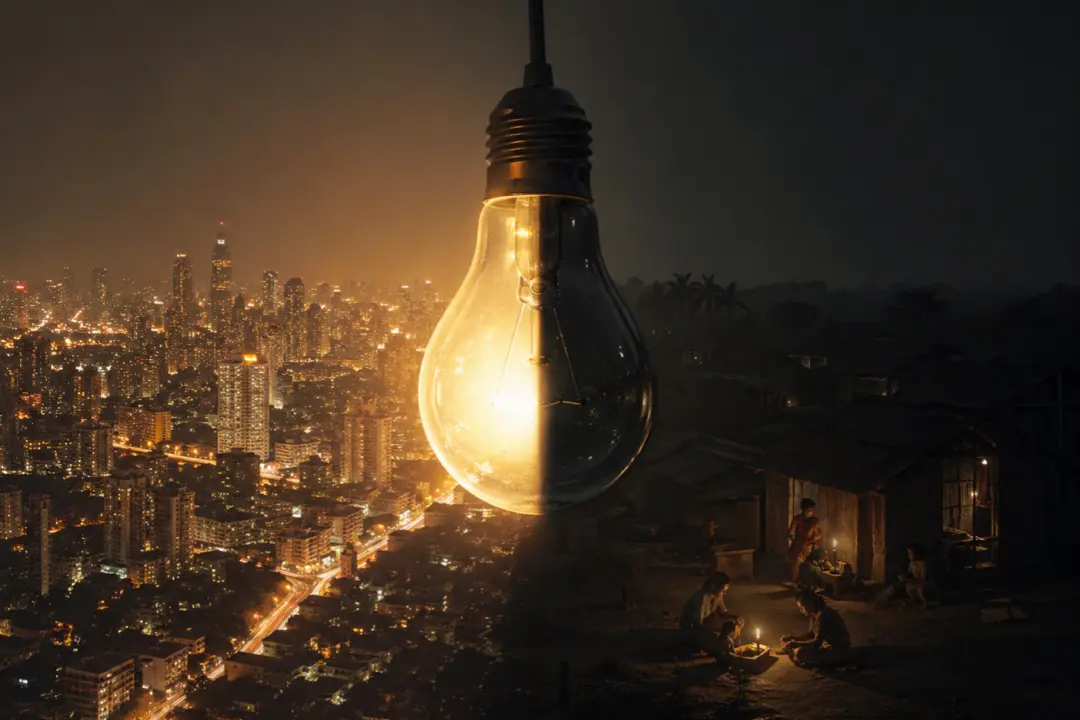
Is Dhaka the only place that pays the bills?
Bangladesh is facing a major power crisis. Demand is over 16,000 MW. Production is only 13,000 to 14,000 MW. The gap is filled by cutting power to villages. Dhaka city is kept free of load shedding on purpose. Companies in Dhaka like Desco and DPDC get all the power they need. Rural areas are forced to bear the whole burden. This creates a massive gap between the city and the village.
Why does the official math always fail the village?
Data from different agencies does not match. On April 20, the PGCB reported 1,840 MW of load shedding. But the REB reported a much higher number of 2,897 MW. Experts say the central office lowers the demand on paper. This makes the shortage look smaller than it is. The REB serves nearly 3.77 crore rural customers. These people are the ones truly suffering. The true load shedding is much higher in the fields than in the reports.
* REB – Bangladesh Rural Electrification Board
* PDB – Bangladesh Power Development Board
* PGCB – Power Grid Bangladesh
Why is there such a big gap, and can the government fix it?
The disparity exists because of planning choices. Decision-makers prioritize the capital city over the countryside. This keeps the city economy running but hurts the rural economy. Farmers cannot irrigate their Boro rice crops properly. Small rural industries are also suffering. The PDB Chairman says things might improve next week. He has ordered all regions to share the load shedding equally. However, the PDB owes 52,000 crore BDT in unpaid bills. Without paying these debts, fuel supply will remain low. Indian company Adani has also warned about unpaid bills. So, a total fix seems very hard right now.
How does a war far away turn off the lights in a village?
The war in the Middle East is a big reason for the crisis. This conflict has disrupted the global fuel supply. For example, Indonesia has reduced its coal exports because of this war. Bangladesh relies heavily on imported fuel like coal and gas. When the global supply chain breaks, power plants here stop working. The country also lacks US dollars to buy expensive fuel. Because of the war and debt, the government cannot import enough. This lack of fuel means less power for the grid. When supply is low, the village is the first to lose its light.

We often complain about favoritism in sports, but is our power grid doing the same? While the major cities (the VVIPs) enjoy steady electricity, the rural areas the backbone of our economy are left in the dark to bridge the gap.
Most of our small-scale industries and farms rely on REB power. By starving the rural grid to keep the city lights on, we aren’t just saving fuel; we are slowing down the very people who produce our food and goods.
How can two government bodies have such different numbers? It suggests that the official load shedding figure only tells the city’s story. In the village, the express has stopped moving entirely.
– Opinion | Daily ScrollDown