


The Dry Pipeline
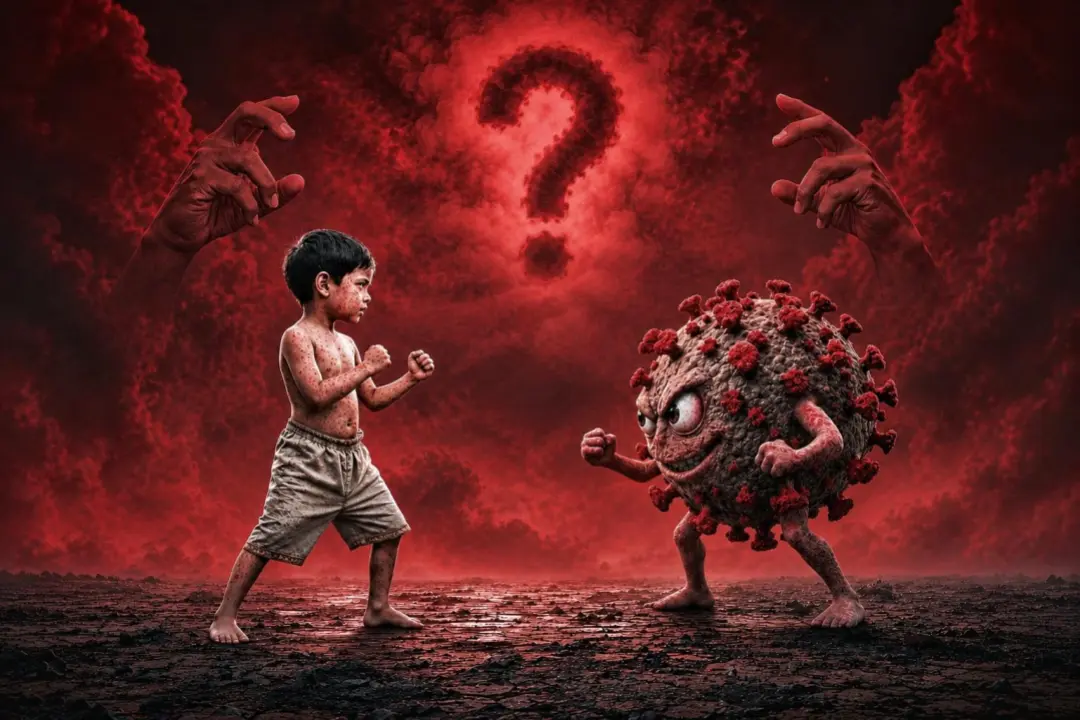
The crisis started with empty shelves. No regular national immunization happened after December 2020. The country had a severe vaccine shortage for years. The current government reportedly took office with zero doses in stock. No vaccines were given until the 2026 program began. This created a massive gap in immunity. Now, over 57,000 children are sick.
The Youngest Victims of the Ledger
This tragedy hits the children of Bangladesh. It is a nationwide emergency. Over 42,000 children required hospital beds. Many mothers are also struggling. Maternal malnutrition reportedly makes the outbreak worse. Some mothers cannot even breastfeed their sick infants. The crisis spans from Dhaka to remote villages.
Debt We Cannot Pay
The aftermath is a rising body count. So far, approx. 500 children have died since March. This includes 75 confirmed measles cases and 384 symptomatic cases. Allegedly, the previous administration failed to manage the health sector. Bureaucratic dependence reportedly slowed down essential services. Political discrimination allegedly hurt the medical workforce. The health system now faces a massive trust deficit.
The Logistics of Survival
The Health Ministry is now in damage control mode. They are running public awareness weeks. UNICEF is providing support for urgent vaccination drives. Teams are using public announcements to find missed children. Private hospitals are opening special measles units. Doctors are creating new national guidelines for treatment. They want to replace bureaucracy with active leadership. Awareness campaigns are finally reaching remote areas.
UNICEF warned the interim government ten times about the upcoming vaccine stock-out. They sent five formal letters between 2024 and 2026 to sound the alarm. The agency told officials they were facing a mountain of trouble ahead. Despite this, the government chose a slow open bidding process for procurement. This decision reportedly ignored the urgent need for stock and delayed the arrival of life-saving doses. They (UNICEF) now support a full investigation into how these warnings were missed.

Bangladesh is facing a severe measles epidemic following recent policy failures and deep vaccine shortages. The crisis began after the interim government altered long-standing procurement rules. UNICEF sent five to six urgent letters and held ten high-level meetings with health officials between 2024 and February 2026. These communications warned about upcoming vaccine stockouts. Despite these warnings, the administration halted the standard procurement process via UNICEF and Gavi in late 2025. They shifted to an open tender system to increase transparency. This change created major bureaucratic delays and caused vaccine stocks to run dry. Consequently, national vaccine coverage dropped from 90% in 2020 to about 57% in 2025.
The resulting immunity gaps led to a massive spike in infections across the country. Bangladesh has logged over 41,000 suspected cases and more than 250 child deaths since mid-March 2026. In response, health authorities launched an emergency campaign in April 2026. This drive targets over 1 million children aged 6 months to 5 years. Vaccinators are focusing heavily on packed informal settlements and slums across Dhaka and Rajshahi to contain the spread.
The epidemic is also causing significant economic damage. Public healthcare funds are draining rapidly as over 28,000 children have required hospital admission. This surge has overwhelmed medical facilities. Poor families face heavy out-of-pocket costs for medicine and transport. Many parents are losing daily wages while staying with their sick children in hospitals. To help manage the crisis and repair the broken immunization pipeline, UNICEF has requested an immediate $2.4 million in emergency funding.
– Opinion | Daily ScrollDown
**The findings presented above reflect data collected as of May 19, 2026.