


Why has the cash suddenly disappeared from the market?
The market is hungry for cash. Bangladesh Bank was making new currency designs during the interim government. This process was very slow. The printing speed is lower than market demand. This creates a shortage in the daily money supply.
Hide and Seek in the Bank Vaults
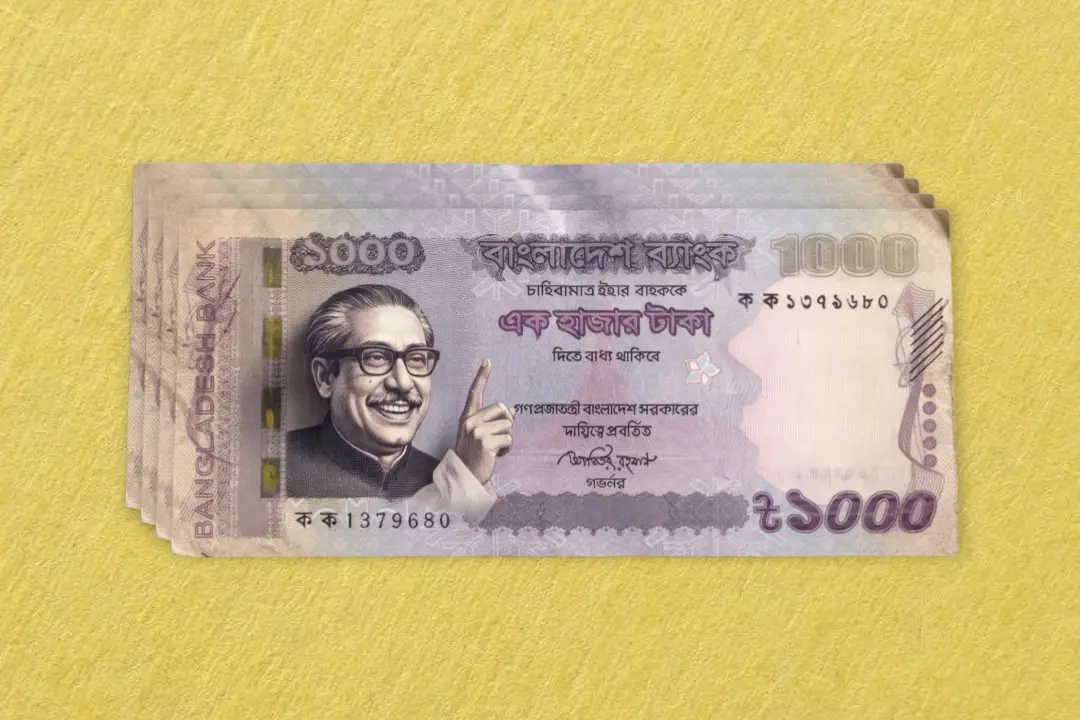
The 2024 uprising changed the political story. The interim government wanted new state symbols. They halted the use of Sheikh Mujibur Rahman’s image. This was a move to change the national iconography. They sealed freshly printed notes in vaults. This kept billions out of circulation.
Did the new government just pull an Uno Reverse on the currency?
The new government reviewed the old policy. They say locking money in vaults is a waste of resources. It is economically unjustifiable. The central bank is now re-releasing the Mujib-portrait notes. These notes were never officially banned. There are no legal barriers to using them. The finance ministry gave the order to fix the cash gap.
Too Much Money, Not Enough Value
Reserve money is the base of the whole system. It is often called high-powered money. The central bank is giving cheap credits to banks. They are also buying dollars to stabilize exchange rates. This pumps a lot of money into the market. This growth fuels higher inflation. Inflation hit 9.13 per cent recently. People lose their purchasing power because of this.
The Master Plan Meets a Harsh Reality
The government wants a stable economy. They focus on jobs, investment, and exports. They also look at skill training and social protection. But huge challenges remain. There is a fuel crisis due to Middle East tensions. Commodity prices are expected to rise. High inflation makes managing the economy very hard.
Can we really reach twelve zeros by 2034?
The target is a trillion-dollar economy by 2034. The plan is to focus on investment and economic democratization. They want to help small businesses and the creative economy. The government also plans to hire 100,000 health workers. They want to spend 5 per cent of GDP on health in phases. This is their long-term map for growth.