


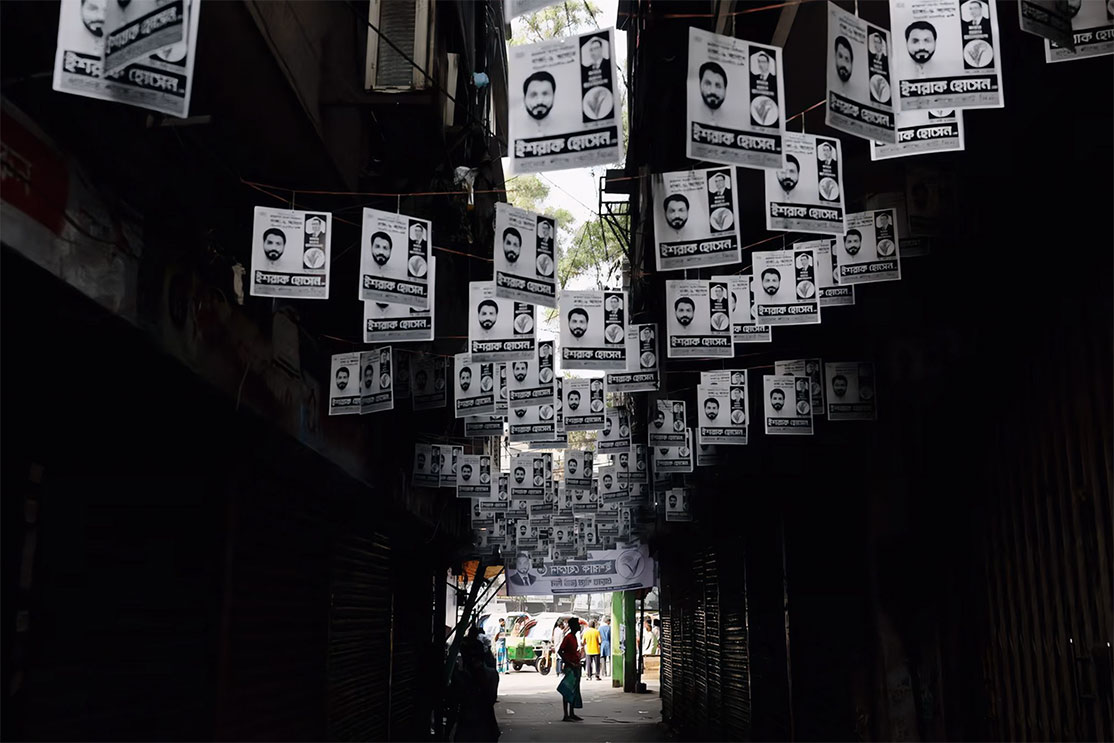
According to TIB, 33.8% of candidates have exceeded the spending limits, with the average campaign expenditure reaching Tk 1.2 crore.
How violations influence fairness
Spending violations create an unfair advantage for wealthy candidates. Parties often pick “black money” owners or industrialists to ensure they win. This makes it very hard for poor but popular candidates to compete. These violations destroy the level playing field needed for a fair race. Wealthy candidates also use their money to influence or pressure government officials.
Challenges in monitoring and enforcement
Candidates often hide their true spending in reports. They claim posters were “sponsored by supporters” or that workers are “volunteers”. The Election Commission (EC) lacks a way to verify if these financial reports are honest. Many candidates simply ignore the EC’s orders to follow the rules. Also, laws that ban using government resources for campaigns are often not followed.
Pre-campaign promotion impact
Candidates spend huge amounts of money before the official start date. Some spend three times the legal limit before campaigning is even allowed. They use illegal posters and wall writing to get an early lead. This makes official spending caps less effective because the biggest costs happen early.
How a candidate decides the limit
The limit is either Tk 25 lakh or Tk 10 per voter. The candidate must follow whichever amount is higher. For example, a seat with 300,000 voters has a limit of Tk 30 lakh. In a very large area with 750,000 voters, the limit rises to Tk 75 lakh. The Election Commission sets these final amounts based on the number of registered voters.
Source: Transparency International Bangladesh, The Business Standard, Asian Electoral Database
Image: Image: Mohammad Ponir Hossain/ Reuters