


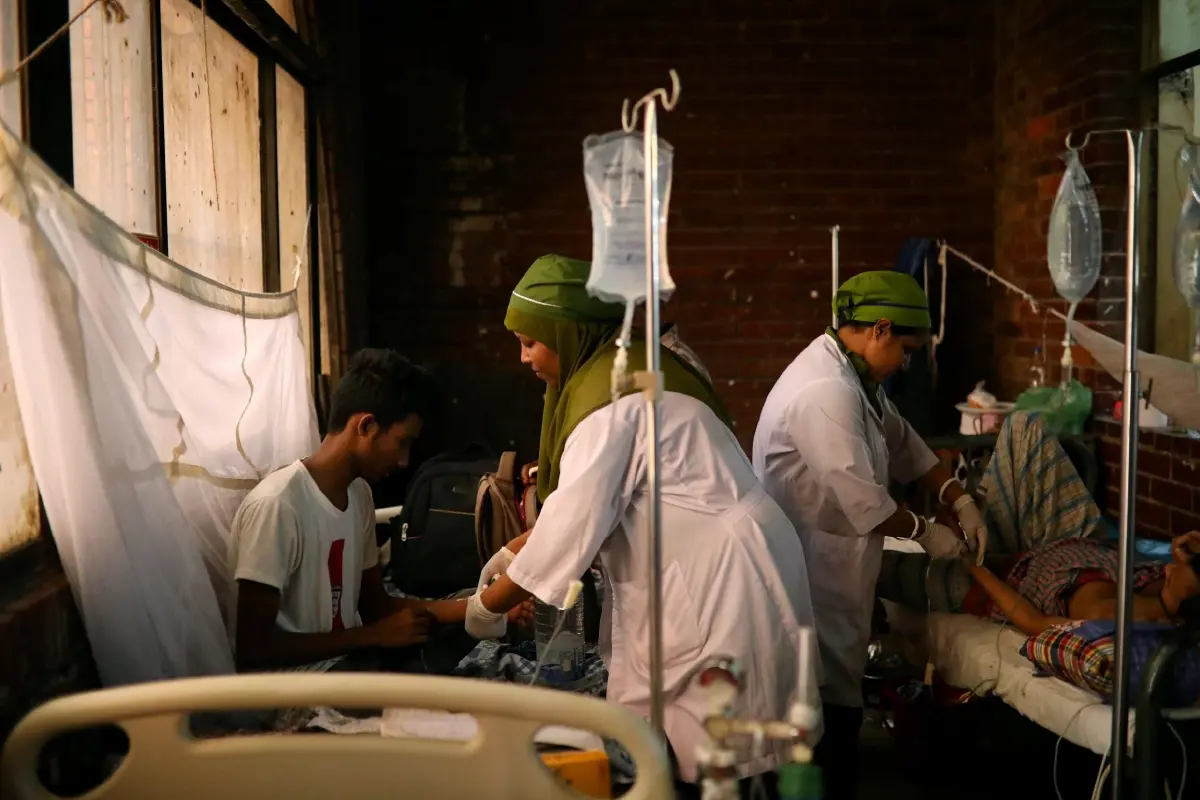
Healthcare is a pillar for any nation, yet our local facilities are often lacking. This forces many of us to seek treatment in India or other countries if we can afford it. What is the current situation?
Bangladesh loses about $5 billion every year to medical tourism. Many patients do not trust the domestic health system. They worry about wrong diagnoses and poor service. India is the top choice for these patients. In 2024, nearly 482,000 Bangladeshis went to India for care. Some also travel to Thailand, Singapore, or Malaysia. People with less money face a hard time. They often rely on India because other countries are too expensive. For example, treatment in Thailand can cost ten times more than in India. Recent visa limits in India have made things even harder for these patients.
We struggle with a fragile healthcare system where many lives are lost due to incorrect treatments. How severe is this trust deficit?
There is a deep crisis of confidence among citizens. This is called a “quality and trust deficit”. Patients fear “trial-and-error” visits at home. They worry about hidden charges and “bill shock”. There are also concerns about fake medicines and old equipment. Many families feel that foreign hospitals are more honest and attentive. Because of this, they choose to leave the country for care. This lack of trust drives a massive drain of money from the economy.
What are our main weaknesses? Is it a shortage of workers, a lack of proper education, or something else?
The country faces a big shortage of skilled health workers. The World Health Organization (WHO) says we need 17 doctors and 70 nurses for every 10,000 people. Right now, Bangladesh only has about 6.7 doctors and fewer than 6 nurses per 10,000 people. Many facilities also lack modern equipment and beds. Most doctors stay in Dhaka, while most people live in rural areas. Education for these professionals is often based on old laws. There is also a lack of specialists in health education and communication. These gaps make it hard to manage chronic diseases.
While government hospitals seem neglected, private hospitals appear to be thriving. Is there a gap in how the government manages its healthcare facilities compared to the private sector?
Public health spending is very low. It is only about 1% of the GDP. This is the lowest in South Asia. Public hospitals often run out of essential medicines. This forces people to pay for their own treatment. Patients pay about 73% to 74% of health costs out of their own pockets. The private sector now handles over half of all healthcare demand. Private hospitals use better marketing and digital tools. However, they do not always provide good health education to the public. Private hospitals are seen as cleaner but can have high hidden costs.
The government has announced plans to hire 100,000 health workers. Given the global job shortage, how realistic is this initiative?
The government recently shared a plan to recruit 1 lakh (100,000) health workers. This initiative aims to improve healthcare at the grassroots level. The goal is to meet public expectations for better service. These new workers will receive advanced training. The government also wants to ensure they stay at their workplaces and work hard. This plan addresses past issues of corruption and poor management. It is part of a larger effort to fix the fragile health sector.
Should the focus be on expanding the workforce, providing better training, and introducing technologies like AI and robotics across all levels of hospital staff?
Yes, the system needs more manpower and better training. New technologies like AI are already helping hospitals worldwide. AI can help with medical imaging and administrative tasks. It can also reduce costs and increase revenue. In Bangladesh, expanding digital health is a key step. This includes using electronic health records and unique patient IDs. Training should cover everyone from doctors to management. Training specialists in behavioral science and health communication is also vital.
If we build a strong healthcare system, could this sector significantly boost our GDP and economy? Could we even attract foreign patients to help grow our reserves?
A strong health sector is a major economic driver. Right now, $5 billion leaves the country every year for foreign treatment. If we improve our hospitals, we can keep that money at home. This would create many new jobs for citizens. Healthcare can become a pillar of national pride and stability. We could even attract patients from other countries. Our neighboring countries already earn a lot from our patients. Turning this around would boost our national reserves and the overall economy. Better health leads to more productivity and less poverty.