


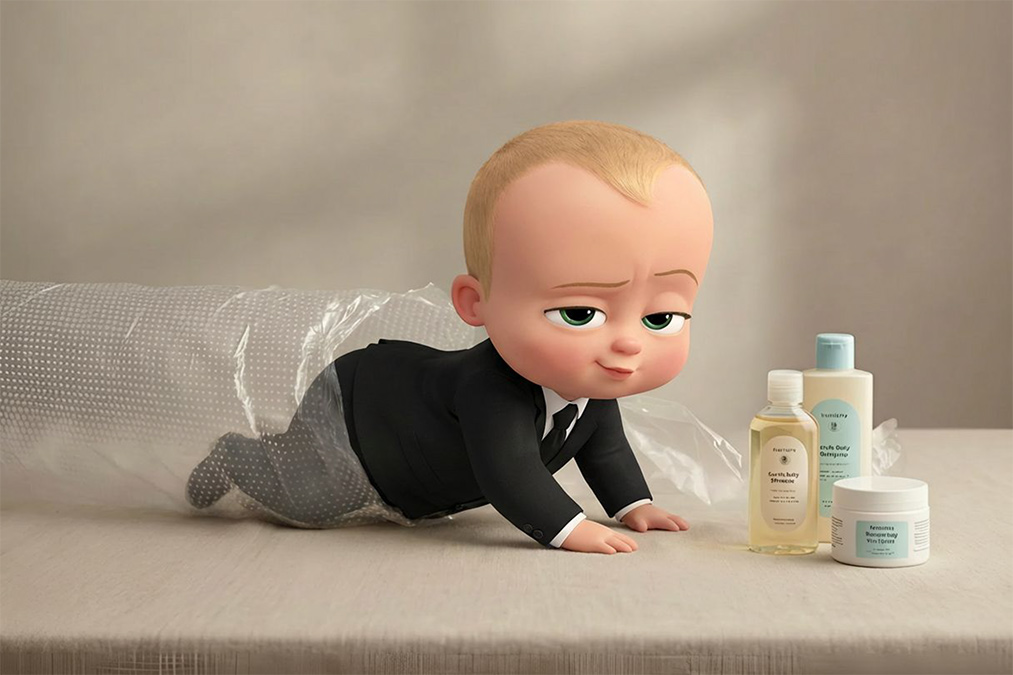
China adds a sales tax on contraceptives while removing VAT on childcare, marriage to push birth rates
China will start charging a 13 percent sales tax on contraceptives from January, while making childcare services tax free. The move is part of Beijing’s effort to encourage people to have more children as birth rates continue to fall.
The decision comes under a wider tax reform announced late last year. Many tax exemptions that existed since 1994 have been removed. Back then, China was enforcing its one child policy. Now, the government is going the opposite way, trying to boost marriages and births.
Alongside childcare, marriage related services and elderly care will also be exempt from value added tax. These steps add to other measures like longer parental leave and cash support for families.
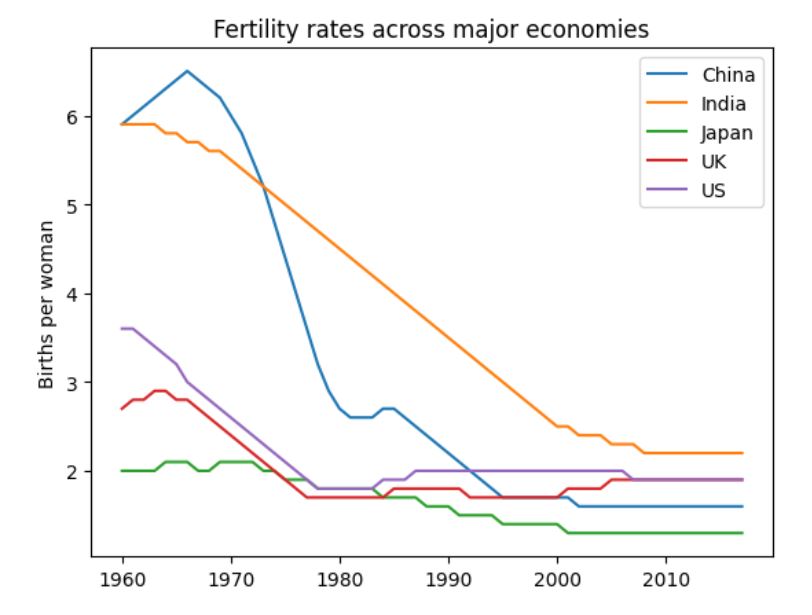
China’s population has declined for three years in a row. In 2024, only 9.54 million babies were born, around half the number recorded ten years ago. An ageing population and a slowing economy have pushed the government to act.
Taxing condoms has sparked criticism and online jokes. Many worry it could lead to unwanted pregnancies or higher HIV risk, while others say price doesn’t decide whether people have children.
China is already expensive for raising kids with high education costs, intense competition and women juggling work and family. The property crisis and economic slowdown make young people hesitant about the future.
Some parents say the tax won’t change their habits. But others fear students or low income groups may take risks. Experts are divided. Some see it as a revenue move, others as a symbolic attempt to raise birth rates.
Government intrusion, like officials asking women about menstrual cycles, has hurt trust. Critics say policies ignore deeper social changes: declining marriage, dating fatigue, and high life pressure.
Young people feel exhausted. High costs and expectations make online life easier than real relationships. Cheaper childcare alone won’t fix the problem.

While much of the world promotes contraception to prevent unwanted pregnancies and sexually transmitted diseases, China is moving in the opposite direction.
From January, Beijing will impose a sales tax on contraceptives, including condoms, while removing taxes on childcare services. The goal is clear: encourage more births in a country facing a rapidly shrinking population.
But this approach raises uncomfortable questions.
Condoms are not just about family planning. They are a basic public health tool, critical in preventing HIV and other sexually transmitted infections. Making them more expensive, even slightly, risks discouraging safe sex, especially among students and low income groups.
Supporters of the policy argue that cheaper childcare could ease the burden on young families. That may help at the margins. But the decision to have children is shaped far more by housing costs, job insecurity, work pressure, and social expectations than by the price of contraception.
There is also a symbolic contradiction at play. For decades, China strictly controlled births through policy. Now, as demographic realities shift, it appears to be nudging personal choices in the opposite direction, sometimes in ways that feel intrusive rather than supportive.
The real danger is not whether condom prices rise by a few yuan. It is whether this signals a misunderstanding of why young people are delaying marriage and parenthood in the first place.
Cheaper childcare is a step forward.
Taxing contraception may not be.
Whether this strategy boosts birth rates or backfires will depend on whether policymakers address the deeper economic and social pressures shaping modern life or continue relying on symbolic fixes.
– Opinion | Daily ScrollDown
Source: BBC