


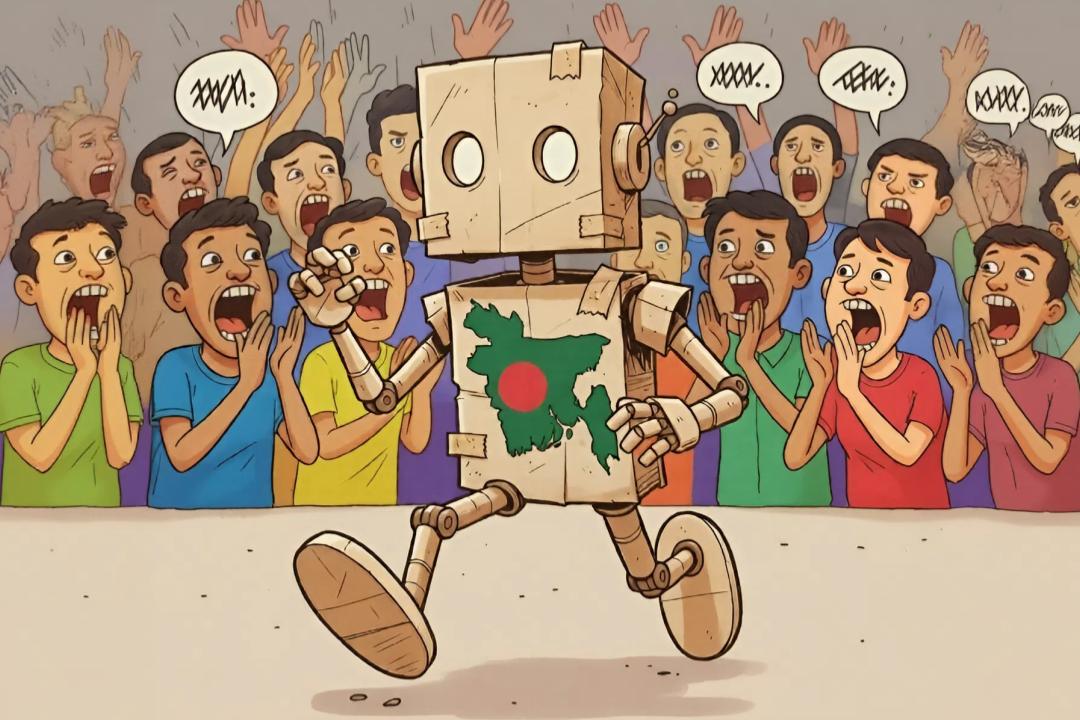
Global Energy Goes Bullish on AI, Bangladesh Remains Bearish
AI is rapidly becoming the operating system of modern energy grids worldwide. From forecasting solar and wind output to balancing grids and running virtual power plants, countries and companies are already using AI to deliver cleaner, cheaper, and more reliable electricity. Tech and energy giants like Google and Schneider Electric now treat AI not as an experiment, but as a basic layer of power infrastructure.
Across the Global South, India has emerged as a frontrunner. Through platforms like ElectronVibe, Indian utilities are running real-world AI pilots to reduce outages, integrate renewables, and improve demand response. Similar progress is visible in Kenya, Chile, Brazil, and parts of Europe, where AI-enabled grids are cutting losses and managing renewable fluctuations more efficiently.
Bangladesh, however, remains at an early stage. Experts say the biggest barrier is not technology, but digitisation. “AI cannot run on paper-based systems,” says Professor Khondaker A. Mamun of United International University. Without smart meters, automated substations, upgraded SCADA systems, and real-time data, meaningful AI deployment is impossible.
While Bangladesh has launched small research pilots—such as an AI-based digital twin for solar plants—training, policy frameworks, and large-scale pilots remain limited. Analysts warn that as other countries accelerate AI adoption in energy, delays could widen the efficiency and cost gap, making future transitions far more difficult.
Source: Masum Billah/TBS