


There are decades where nothing happens and weeks where decades happen
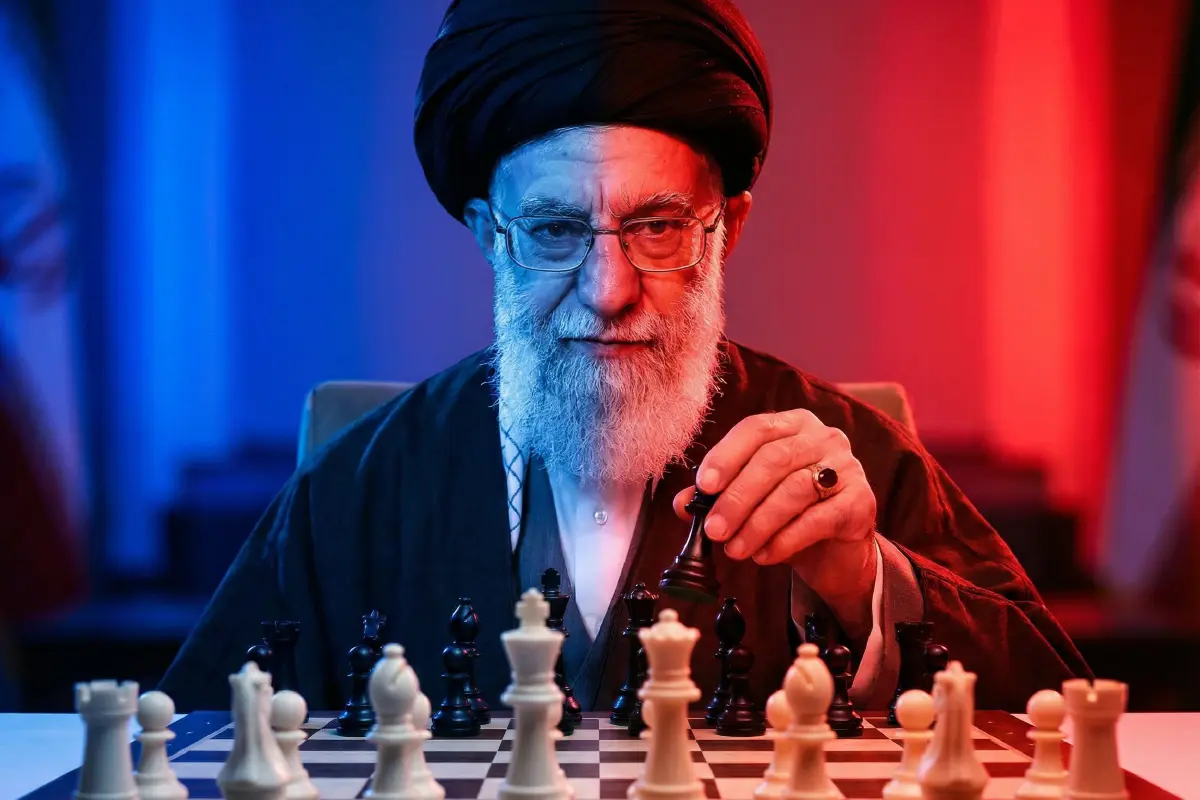
Ali Khamenei was the Supreme Leader of Iran from 1989 to 2026. He died on February 28, 2026, during a military strike. The Supreme Leader holds absolute authority over the military, courts, and religion. He was chosen by the first leader, Ayatollah Khomeini. Laws were changed to allow him to take power.
Pahlavi Monarchy vs. Khamenei Theocracy
The Islamic Republic was formed after the 1979 Revolution. Before this, the Pahlavi dynasty ruled as a monarchy. Market traders and others helped overthrow the Shah in 1979. They wanted to end Western influence and economic issues. Student movements were a major path for this change. Students were active in the 1979 revolution. In 2026, students again led massive protests against the government. They used campus walkouts and sit-ins to show their anger. The 2026 movement happened due to economic collapse, suppression of women’s rights, and international pressures.
The Pahlavi regime was a monarchy that pushed for Westernization. It was seen as more secular by many. However, it faced criticism for its rule before the 1979 revolution. The Khamenei regime was a theocracy with strict religious rules. It was known for suppressing protests with force. It used many executions to create fear in the people. Basically, Khamenei’s administration killed many during the protests.
US Interests in Iran: From Alliance to Intervention
USA interest in Iran. The USA strongly supported the Pahlavi Shah. The US enjoyed close ties and regional influence during that time. Then the revolution happened and they lost the connection. Now they got a chance. So, in 2026, the US engineered a dollar shortage to hurt the Iranian economy. This was done to trigger protests against Khamenei. Russia is linked to the Khamenei regime. Reports say Khamenei had a plan to flee to Moscow if his government fell. Russia may have helped Iran jam satellite internet services.
Women’s Rights: Contrasts Between Eras
Same same but different for women’s rights. The Pahlavi era is associated with more secular social lives for women. Under Khamenei, women’s rights were strictly limited. He enforced mandatory hijab laws. The “Guidance Patrol,” more of a moral policing unit, arrested women for improper dress. This led to the death of Mahsa Amini in 2022.
Khamenei’s regime used strict religious and government standards to control women. In 2026, women burned their veils and Khamenei’s pictures to protest. They rejected state authority over their personal freedom. During the 2026 protests, women were killed by government forces. Sahba Rashtian was a 23-year-old artist who died while protesting for freedom.
Economic Collapse Under Khamenei
The Iranian economy faced a total collapse in the later years of the Khamenei regime. By late 2025, the rial was in freefall. Inflation reached 42% in December 2025. Food prices rose by 72%. People faced shortages of water, electricity, and gas.
Mismanagement and international sanctions caused this crisis. The government prioritised foreign proxy groups over domestic needs. Protesters in 2026 chanted that they did not want to spend money on Lebanon or Gaza. They wanted the money spent on Iran instead. Success in the 2026 uprising is linked to this extreme economic pain. The sources do not provide specific economic data for the Pahlavi regime.
The value of the Iranian rial hit record lows in early 2026. On January 6, 2026, it reached 1.5 million rials per US dollar. In late December 2025, it was around 1.45 million rials per dollar. Iran faced an annual inflation rate of 42% in December 2025. Food prices were even higher, increasing by 72% year-on-year. Health and medical goods rose by 50%. This hyperinflation caused widespread poverty and anger.
Iran’s Proxy Networks and Regional Tensions
Iran relies on proxy groups like Hezbollah in Lebanon. Its major ally, the Assad regime in Syria, fell in 2024. Other Arab nations like the UAE, Qatar, and Saudi Arabia view Iran as a threat. In 2026, Iran fired missiles at these Arab countries. People often see him as a global Muslim leader, so why do other Muslim countries oppose him?
These nations partner with the USA for defense. The USA maintains military bases in the region to protect its interests. There is a major US air base at Al Udeid in Qatar. The US Navy’s Fifth Fleet is based in Bahrain. There are also US assets in Kuwait and Jordan.
Potential Outcomes of Regime Fall
The fall of the Iranian government could lead to several outcomes. One scenario is a power vacuum. This could cause competition between different elites. Another risk is a civil war between military factions.
Lessons from History
The history of Saddam Hussein and Gaddafi shows that removing a leader can lead to chaos. New extremist groups often fill the void. In Iran, the collapse of the central government might lead to different groups fighting for control. This could make the entire Middle East very unstable. The 2003 attack on Saddam Hussein was based on false claims about nukes. There were no nukes in Iraq. Gaddafi gave up his nuke program and was later killed. Khamenei did not have nukes and was assassinated in 2026.
Leaders see North Korea as a different example. Because they have nukes, superpowers do not attack them. This sends a message that nuclear weapons are a “cheat code” for survival. Many countries now think they need nukes to be safe from foreign intervention.
Lessons from History: Saddam, Gaddafi, and Nuclear Deterrence
Khamenei was a powerful leader who used brutal force. During his rule, he crushed many protests. In early 2026, his forces killed thousands of civilians. Reports say up to 30,000 people died in just two days of crackdowns. The story of Erfan Soltani is a key example. He was a 26-year-old protester arrested in January 2026. He was sentenced to death within one week of his arrest. He was denied a lawyer and a fair trial. After huge international pressure and US intervention, his execution was postponed. He was eventually released on bail in February 2026. These events are very similar to the July protests in Bangladesh.

There are powerful algorithms designed to shape and propagate narratives especially through social media. Before any conflict escalates, you would see posts praising the protests, condemning the Khamenei administration’s ruthless crackdowns and drawing comparisons to the July uprising. Now that the war has started and Ali Hosseini Khamenei is assassinated many are quickly switching to a “sad angle” playing up emotion, sympathy, and mourning to keep the outrage alive and drive even more engagement.
Ultimately, it’s your call how you define or rate Khamenei as a leader. As ScrollDown, we believe assassinating him was profoundly wrong. History has shown us the dangerous outcomes of such actions. At the same time, we strongly condemn the regime’s systematic oppression: stripping women of their basic rights, silencing protesters’ voices, and brutally killing those who dared to speak out.
– Opinion | Daily ScrollDown