


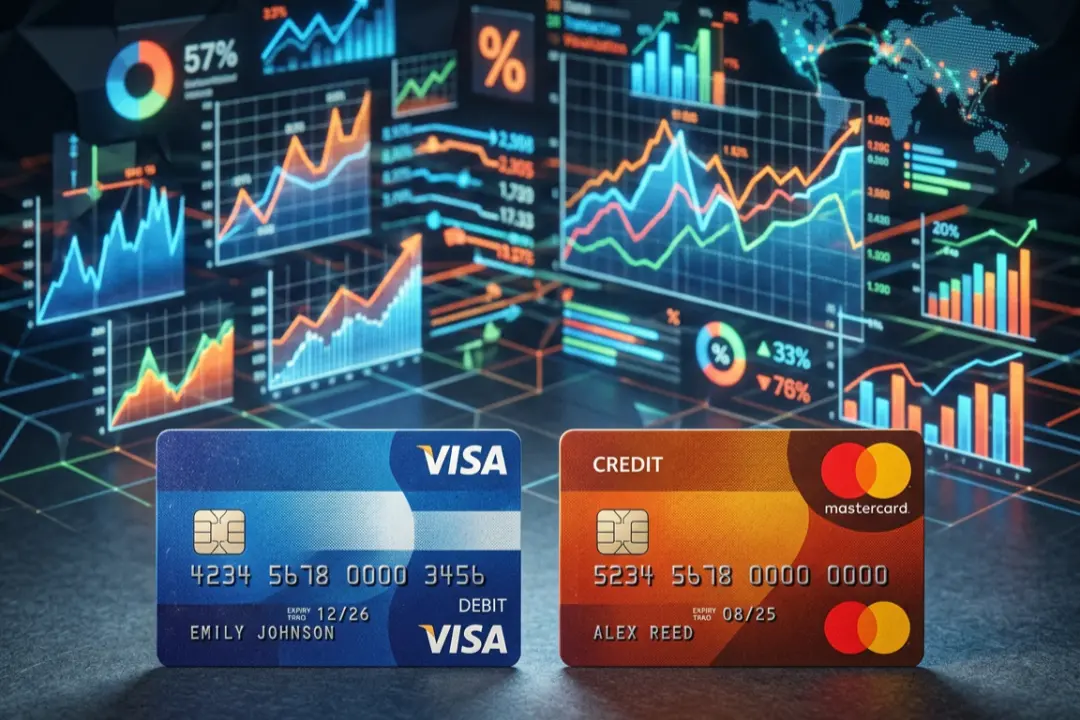
Is your card just a fancy pass for the supermarket?
Almost half of all credit card spending in Bangladesh happens at department stores. People flock to places like Shwapno or Meena Bazar. They want the card-linked discounts and seasonal offers. In rich countries, cards pay for hotels and travel. Here, we mostly use them to buy rice and soap. Banks focus their rewards where they can scale quickly. This makes the whole economy depend on a few big retailers. If those stores struggle, card spending drops instantly.
Why are millions of us still stuck in the waiting room?
Bangladesh has about 17.5 crore people. Only 28 lakh people have credit cards. That is a tiny 1.6 percent penetration rate. Most users live in Dhaka or Chattogram. Banks mostly target the rich or high-middle-income groups. Regulatory hurdles make it hard for others to get cards. Some experts say this creates a digital divide. The growth is real but very narrow.
Is your debit card actually a secret fan of cash?
Research in India shows a strange trend. Credit cards help reduce the need for cash. But debit cards actually increase the demand for currency. This is because people use debit cards mostly to withdraw money from ATMs. They take out cash to pay for things elsewhere. In Bangladesh, there are over 5 crore cards in total. Yet, many small shops still do not have machines to take them. So, the “cashless” tool often leads right back to paper money.
Can your local corner shop handle the future of finance?
The number of cards grew by 142 percent in five years. Transaction volumes also jumped by 166 percent. But structural barriers remain high. Small retailers hate the extra fees they must pay to banks. Many services like transport and healthcare still demand cash. Traditional markets do not have the right terminals or internet. Until the local “mudir dokan” accepts cards, the plastic revolution stays in the mall.

Cards offer great perks like security and fraud protection. They can even help you track your monthly budget. However, the current gimmick relies too much on supermarket sales. Bangladesh gains by moving toward a digital system. It makes the economy more efficient. But the country suffers if cards stay for the elite only. We need cards to work for healthcare and education, not just for discounts on groceries. Right now, our cashless journey is still just a trip to the mall.
Our financial evolution is held hostage by a 10% discount on lentils. We aren’t building a digital economy; we are just building a very expensive loyalty program for a few malls.
– Opinion | Daily ScrollDown